


How Bulgarian Cinema Began (1915–1933) – from Silent Films to Sound
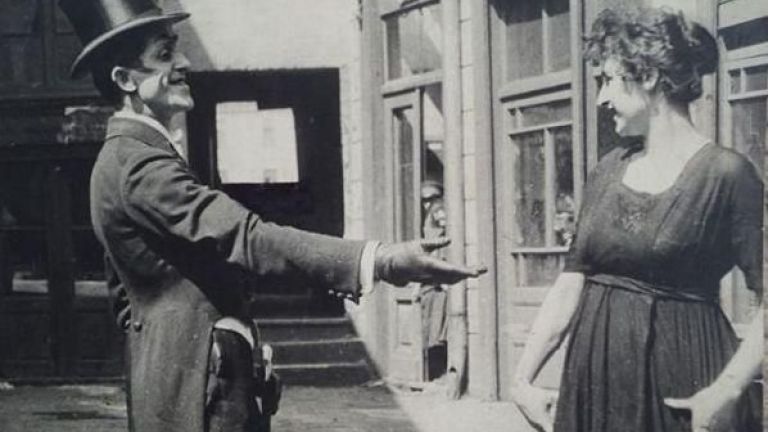
The history of Bulgarian cinema begins much more modestly than we might imagine today. There are no big studios, no budgets – there is an idea, enthusiasm, and one man with a dream: Vasil Gendov.
Vasil Gendov and Mara Miyateva: The First Stars
On January 13, 1915, something historic happened at the “Modern Theater” cinema in Sofia – the premiere of the first Bulgarian feature film Bulgaran Is Gallant.Vasil Gendov not only directed and wrote the screenplay, but also played the leading role, alongside the first lady of the Bulgarian screen – Mara Miyateva.
The story is light and amusing – about a charming man from Sofia trying to impress a lady… and of course, things don’t go exactly as planned.
Unfortunately, the film has not survived. It was destroyed during the bombings of World War II. Today, we only have a few frames and stories – which makes preserving this history even more important.
The Difficult but Inspiring 1920s
During the 1920s, cinema in Bulgaria developed with almost no support. Everything happened thanks to people like Gendov, who invested their own money and a great deal of personal effort. The first important films also began to appear:
- Momina Skala (1922)
- Under the Old Sky (1922)
- Bai Ganyo (1922) – the first attempt to bring the famous character to the screen
These films show that Bulgarian cinema, from the very beginning, sought a variety of stories – from drama to humor and satire.
The Revolt of the Slaves (1933) and the Transition to Sound Cinema
In 1933, Bulgarian cinema finally “found its voice.” The Revolt of the Slaves is a bold project, filmed in Plovdiv and the Rhodope Mountains, once again led by Vasil Gendov. For the first time, audiences not only watched but also heard the characters.
The film is historically significant not only for its sound, but also because it presents the image of Vasil Levski on the big screen for the first time. Interestingly, due to the political sensitivity of the subject, the film faced serious pressure from the censorship of the time.
Why Is It Important to Preserve This History?
Most films from this period were shot on nitrate film, which is extremely flammable and unstable. Without digital archives like bgmovies.net, the names of the creators and their works risk disappearing forever from our cultural memory.