


The Cinema We Grew Up With: The Golden Bulgarian Films of the 1980s
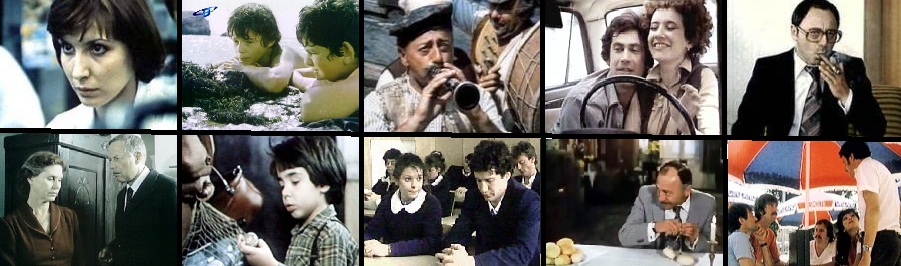
The 1980s are perhaps the most beloved decade in the history of Bulgarian cinema. It is a period of transition – from the heavy historical epics of the 1970s to stories that take place “here and now.” Cinema begins to speak about the ordinary person, their absurd daily life, quiet rebellions, and big dreams.
The Deep Dramas of the 1980s
These films explore the inner world of individuals, moral choices, the cost of compromise, and the conflict between generations.
- Yesterday (1988): A symbolic film. A story of friendship and betrayal that gave us the anthem “Kletva.”
- Adaptation (1981): One of the most powerful and psychologically rich dramas. The film explores mental health and the difficulty of fitting into an often insensitive society. The music by Mitko Shterev and the song by Vasil Naydenov make its impact unforgettable.
- Margarit and Margarita (1989): The film that shook the end of the decade. A raw, honest, and painful story about the love of two young people confronting corruption and the brutality of the system just before the political changes. One of the boldest films of its time.
- Hotel Central (1983): A more lyrical and visually beautiful drama that transports us into the atmosphere of a small town from the past. The film explores the fate of a woman (played by Iren Krivoshieva) longing for happiness in a closed and conservative world.
Comedies: “Laughter Through Tears”
Bulgarian comedy from the 1980s is a unique phenomenon – it is entertaining, but also deeply ironic toward socialist reality.
- Dangerous Charm (1984): Todor Kolev at his best. A brilliant satire about appearances, titles, and “connections.”
- Orchestra Without a Name (1982): The film every Bulgarian knows by heart. A story about the dream of becoming someone else, set against the seaside vibes of “Ay-ay-ay, Dolphin.”
- A Gentleman for a Day (1983): A different kind of rural comedy that reminds us that happiness is rarely found in new clothes.
Social Absurdity and “Comedy of Manners”
These films are like a time capsule of everyday Bulgarian life – from home repairs and neighbors to dreams of Western luxury.
- Ladies Invite (1980): A cult comedy starring Stefan Danailov. A film about a charming driving instructor and the women who literally compete for his attention. Lines like “Do you know you have incredible eyes?” have become legendary.
- The Master Craftsman (1980s series): Kiril Gospodinov created the image of the typical “handyman” who knows everything, does everything “by eye,” and always finds a way to trick you. It is perhaps the most accurate satirical image of the socialist-era craftsman.
- The Double (1980): Todor Kolev in two roles – a dry professor and his cunning cousin. The film brilliantly shows how, in a system, the “street-smart” person often succeeds more than the educated one.
The Childhood We Never Forget
Children’s cinema from the 1980s is intelligent and sincere. It does not lecture, but shares adventures.
- A Dog in a Drawer (1982): “Dad will buy me a bicycle… someday” – a phrase that became iconic. A film about the loneliness of a city child.
- Vasco da Gama from the Village of Rupcha (1986): This series is a true cult classic for children of the 1980s. The story of Vasco running away and hiding on a ship to prove his courage combines humor, maritime romance, and the first lessons in true friendship. Ivan Laskin remains in the hearts of audiences largely because of this role.
The Faces That Brought the Screen to Life
The success of these films is due to an incredible generation of actors who became true icons:
- Todor Kolev: The unmatched master of tragicomedy.
- Ivan Ivanov: The sex symbol of the 1980s, who portrayed the “rebel” with remarkable charisma.
- Georgi Rusev: The man behind the most memorable supporting roles and cult lines.
- Katerina Evro, Velko Kynev, Pavel Popandov: The faces that made us laugh and cry at the same time.
Did You Know?
- Cult lines: Many of the phrases in these films were improvised on set, but today they are part of the living Bulgarian language.
- Music: Films like Yesterday (1988) and Orchestra Without a Name (1982) created songs that still live on today.
- Television: The 1980s also saw the rise of some of the most successful Bulgarian TV series, such as A Home for Our Children (1987), which captivated the entire nation.
Conclusion
Cinema of the 1980s is the most direct path to the Bulgarian soul. It teaches us dignity, shows us how to laugh at our own struggles, and reminds us that “time is within us, and we are within time.”
📽️RELATED FILMS
📰READ MORE
The Golden Age of Bulgarian Cinema: Why the 1970s Are So Significant
Bulgarian Cinema in 2026: A New Renaissance and a Place on the Global Stage
Bulgarian Cinema in the 1990s: A Time of Change and New Beginnings
Bulgarian Cinema in the 1990s: A Time of Change and New Beginnings
The Best Bulgarian Comedies Worth Watching