


The Two "Goat Horns": What Makes Them Different?
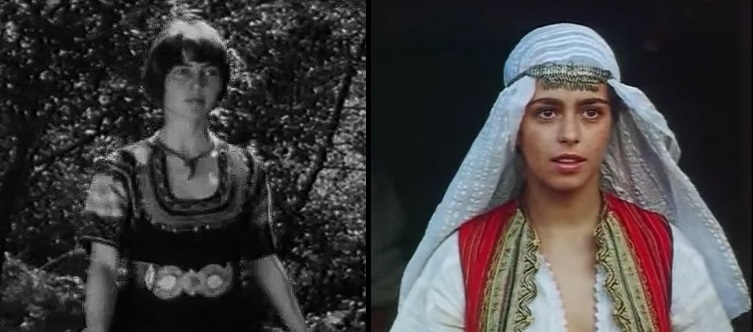
It is rare in Bulgarian cinema for the same story to be told twice. However, “The Goat Horn” is a special case. There are two film versions — one from 1972 and another from 1994. And although they follow the same story, the feeling they leave is completely different.
The 1972 Classic – The Film That Became a Legend
The version directed by Metodi Andonov is one of the strongest and most recognizable films in the history of Bulgarian cinema.
- Raw emotion: The film is heavy, dark, and almost hypnotic. There is very little dialogue, but the actors’ expressions and silence say everything.
- Unforgettable performances: Katya Paskaleva and Anton Gorchev create characters that remain in the memory forever.
- Why the film is so important: This is not simply a story about revenge. It is a film about pain, loss, and the price of hatred.
The black-and-white cinematography and the harsh atmosphere make the film even more powerful. It is no coincidence that many people still consider it one of the greatest achievements of Bulgarian cinema.
The 1994 Reinterpretation – More Psychological and More Modern
More than 20 years later, director Nikolai Volev decided to tell the story again. But instead of copying the original, he created a completely different feeling.
- More psychology: The focus is on the inner world of the characters — their fears, emotions, and personal conflicts.
- A new generation of actors: In the leading roles, we see Aleksandar Morfov and Elena Petrova, who bring a very different energy and sensitivity to the story.
- A different visual style: The 1990s version is in color, more realistic, and pays greater attention to everyday life and atmosphere.
While the 1972 film hits the viewer like a tragedy, the 1994 version encourages reflection and contemplation.
The Biggest Differences
- The Goat Horn (1972): Black-and-white, raw, emotional, and almost symbolic.
- The Goat Horn (1994): More psychological, more realistic, and closer to modern cinema.
The two films reveal not only different directing styles, but also the spirit of two completely different eras in Bulgaria.
Interesting Facts
- Both films are based on a story by Nikolai Haitov, but each director discovered a different meaning within it.
- The 1972 version received international recognition and was nominated for an Academy Award (“Oscar”).
- The 1990s film reflects the atmosphere of the transition period more clearly — a time of uncertainty, inner conflict, and change.
- Many viewers still debate which version is stronger — the classic original or the more modern interpretation.
Which Version Should You Watch?
The best option is to watch both films. The original 1972 version is an essential part of Bulgarian cinema history, while the 1994 version is an interesting example of how the same story can sound completely different in another era.
And that is exactly what makes “The Goat Horn” so fascinating — not just as a film, but as a reflection of Bulgaria during two very different periods in history.